Kraków Animation School for Beginners
A brief introduction to one of the most interesting animation schools in Central and Eastern Europe
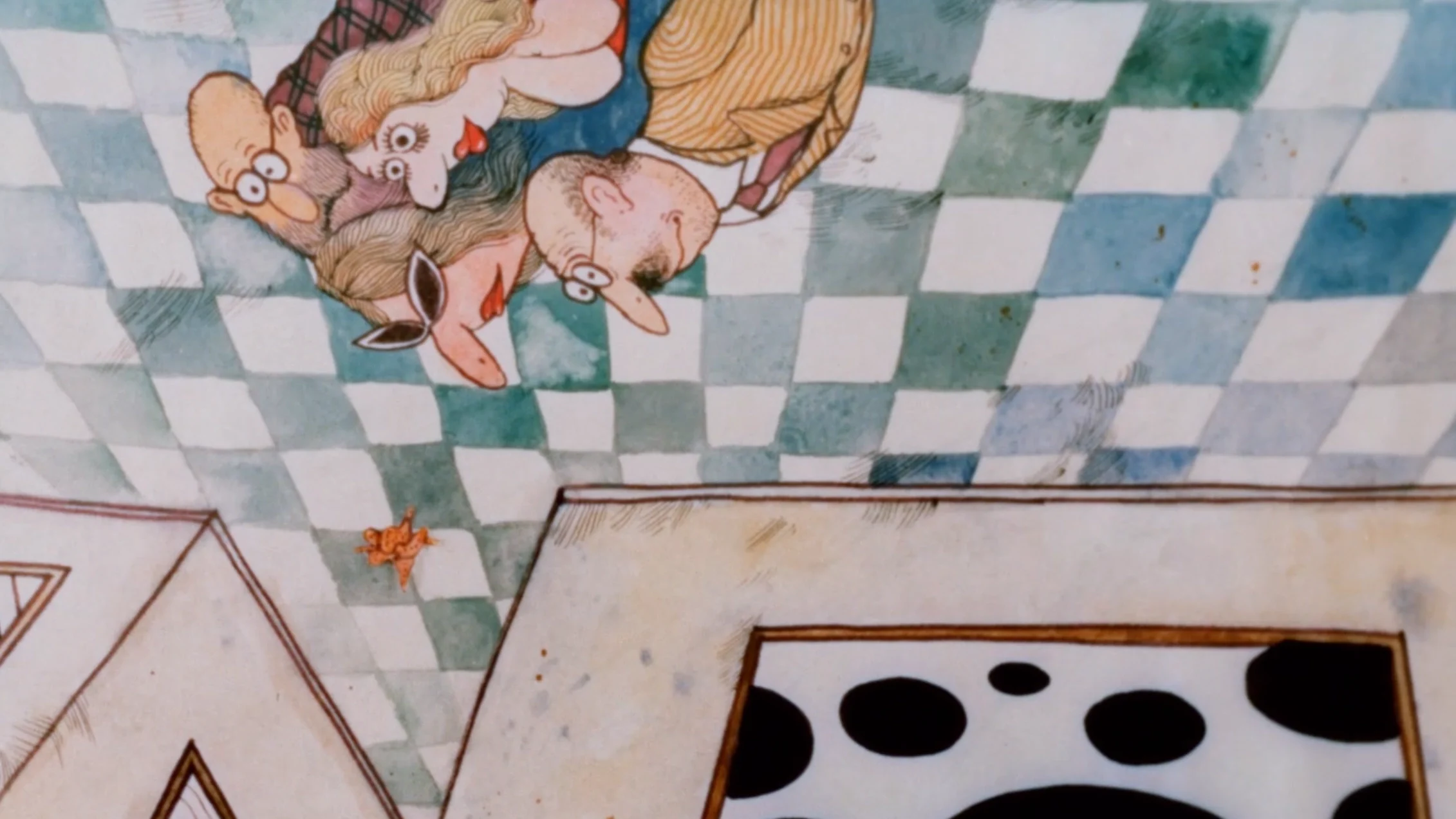
The Kraków school of animation is a milieu of animators that formed in Kraków, Poland, around the local Animated Film Studio (Studio Filmów Animowanych, SFA). The studio came into being in 1966 on the initiative of the director and teacher Kazimierz Urbański (1929–2015).
In 1974 the studio won its independence from the central film administration, and before long it had secured a notable place on the world map of animation — as attested by the prizes it took at numerous festivals in Poland and abroad. The school lasted until 2004.
What was made there was almost exclusively auteur cinema: one person wrote the script, often handled the visual design as well, and at times did the animating and editing too — even picking out the music. “Animated does not mean anonymous” was a favourite saying there, as Jerzy Armata recalls.
Unlike other Polish studios of its kind, the Kraków studio staked itself on work addressed to adult viewers (though films for a general audience did appear too). The chief trait its directors shared was the strong influence of the fine arts on their animated work. All of these filmmakers were thoroughly schooled in the visual arts, since every one of them passed through the Film Drawing Workshop at the Faculty of Painting and Graphic Arts of the Jan Matejko Academy of Fine Arts in Kraków.
“Kraków’s directors are attempting to combine the achievements of classical animation with new, strictly cinematic means of expression,” the Polish film critic Jerzy Armata once wrote of them.
Zirochka* offers a selection of animated films to give the viewer a first acquaintance with this school.
Syn / The Son (1970)
A surreal work by Ryszard Czekała about the gulf between the generations of parents and children.
Jak to się dzieje, pyta Agnisia, że na ekranie widzimy misia / How Can It Be, Asks Little Claire, That on the Screen We See a Bear (1970)
An experimental picture for children by Julian Antonisz, explaining how a television set and television broadcasting work.
Krąg / The Circle (1978)
A psychological drama, an impression by Jerzy Kucia devoted to the human being and their surroundings. In it, as Jerzy Armata put it, the logic of the sequence of events gives way to the logic of memory.
As the director explained, he treats photographs as quotations from reality, pasted into an artist’s world built from drawings and cut-outs; this is what produces the intricate contrast between the two worlds present in the film.
Film animowany / Animated Film (1982)
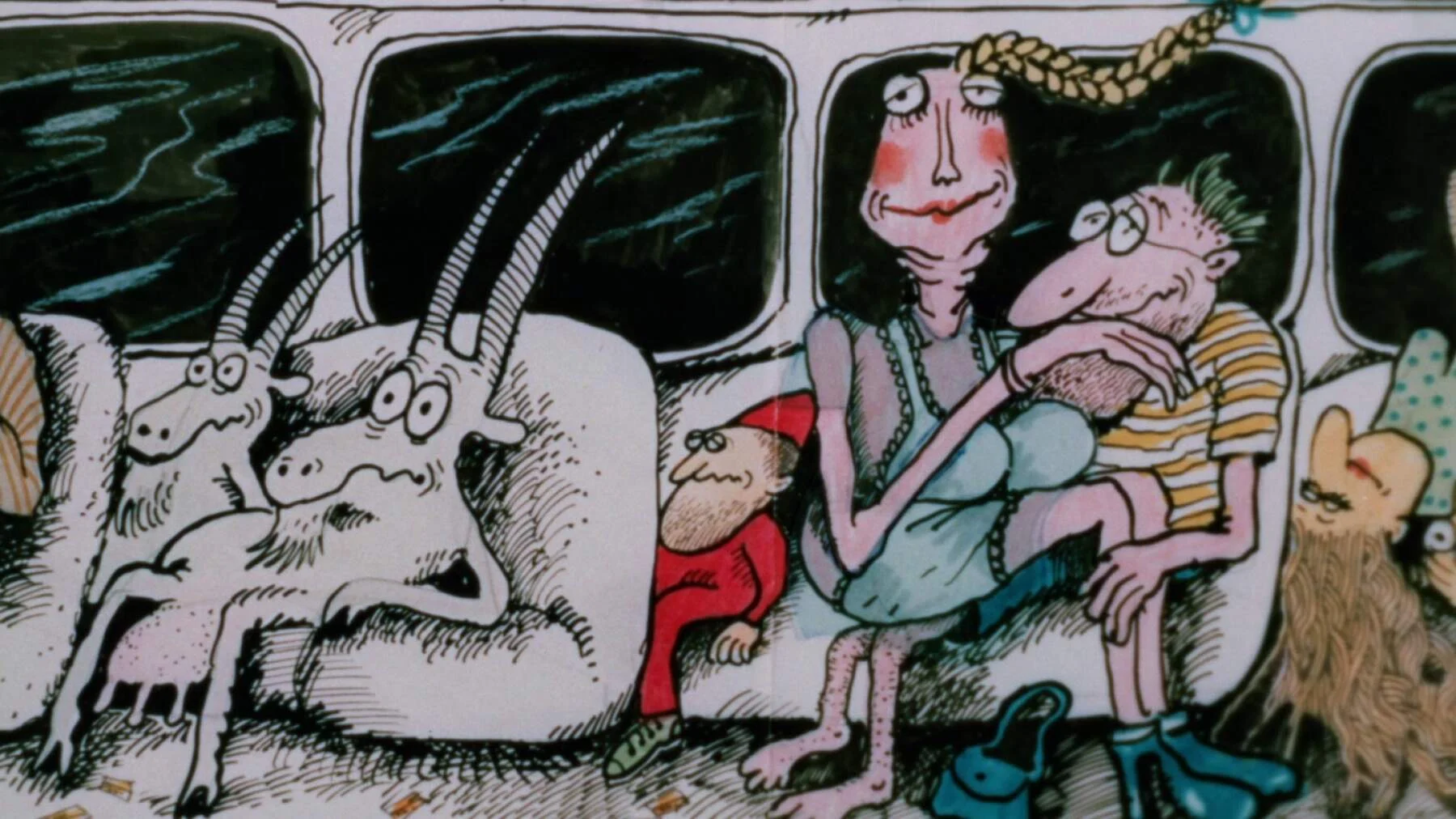
The tale of the grotesque misadventures of a pair of lovers, made by the director Aleksander Sroczyński.
The film is not available on YouTube, but it can be watched free of charge on Ninateka.
Opcja zerowa / Zero Option (1983)
A pacifist impression by the director Krzysztof Kiwerski. The film uses imagery to attack the military-industrial complex, which makes people uniform and, in the end, leaves nothing of them but medals lying on bare ground.
Nielotek / The Flightless One (1984)
Pitched at viewers of all ages, this cartoon by Łucja Mróz tells the story of a penguin who, for all that he was born without the power of flight, wants nothing more than to fly.
Światło w tunelu / Light in the Tunnel (1986)
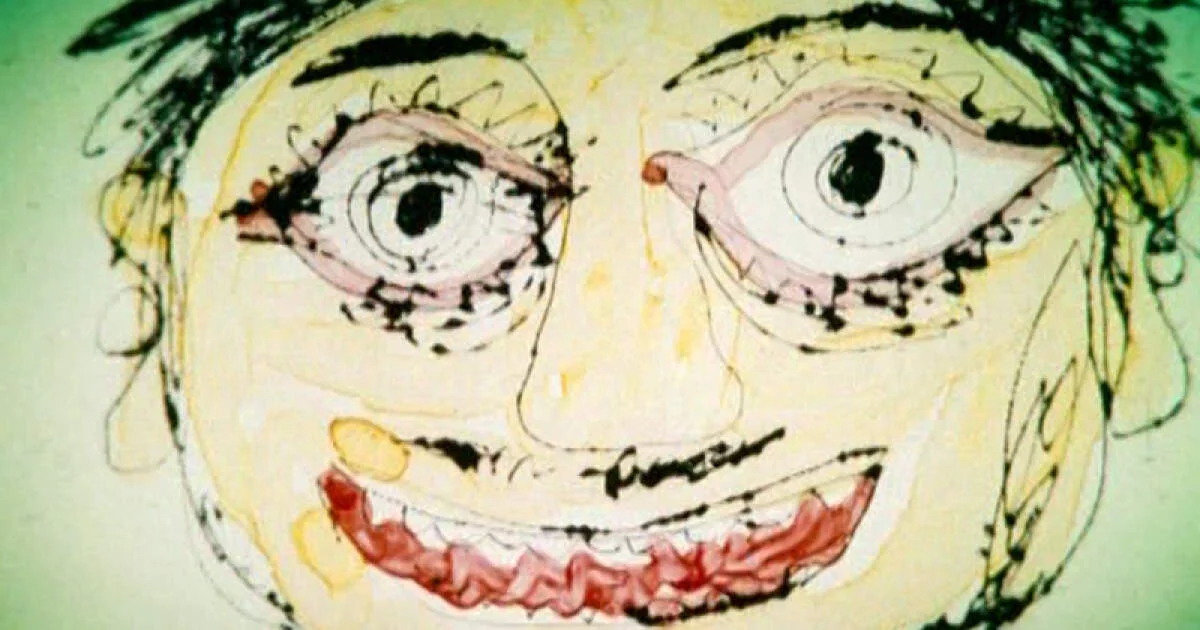
A film by Julian Antonisz recounting the tragicomic story of a dying man. The doctors fight for his life, but in vain; and so at the last his soul leaves the body and hurries eagerly towards the light. The source of that light, however, turns out to be other than it seems.
What distinguishes this film, as it does Antonisz’s later work, is the technique behind it: the animation was made directly on the film stock. In an artistic manifesto of 1977 the director set out his vision of a film made with no camera at all — so every frame was drawn, painted, scratched and even burned straight onto the stock, in what he called his own technique of “non-camera animation”.
The film is not available on YouTube, but it can be watched free of charge on Ninateka.

Want to publish your article on Zirochka?
Submit it via the form, and we’ll publish it on the website
Схожі матеріали
-
 # Комікси
Zаліzничники: згадуємо легендарний комікс нульових
# Комікси
Zаліzничники: згадуємо легендарний комікс нульовихПо сторінкам комікс-стріпів у легендарному К9 ми згадуємо про забутих зірок 2000-х
-
 # Відеоігри
Розваги в Третьому Храмі: Огляд ігор на TempleOS
# Відеоігри
Розваги в Третьому Храмі: Огляд ігор на TempleOSБог сказав йому: 640×480 і шістнадцять кольорів. Террі Девіс зробив із цього ігрову платформу, подібних якій не бачив світ.
-
 # Відеоігри
Польща може в космос: Kosmopolska (1997)
# Відеоігри
Польща може в космос: Kosmopolska (1997)Декілька слів про забутий шедевр шведської відеоігрової індустрії